By metaphorizing and comparing film to a window and frame, Thomas Elsaesser and Malte Hagener categorize film into two modes: window/frame and closed/open forms. However, their intent is to suggest a way to overcome the long-standing and deeply rooted opposition between realists and constructivists. While I find their diversion of the theories and analyses of Rudolf Arnheim, Sergei Eisenstein, and Andre Bazin intriguing, this is not my focus. I aim to redirect attention to the spectators that many scholars have overlooked.
The metaphors of windows, picture frames, and even mirrors are apparent because they reflect people’s daily experience of looking through rectangular frames. The window metaphor implies the absence of the camera, aligning with the “fly on the wall” concept in early anthropological films. The notion of the picture frame originates from an appreciation of classical paintings, while visual-centrism and perspective have significantly influenced how people perceive classical oil paintings and films. However, the spectator is not embodied. When discussing these metaphors, we envision a collectivist audience and theorize about it. Although these metaphors focus on the viewing process, the presence of subjectivity is missing.
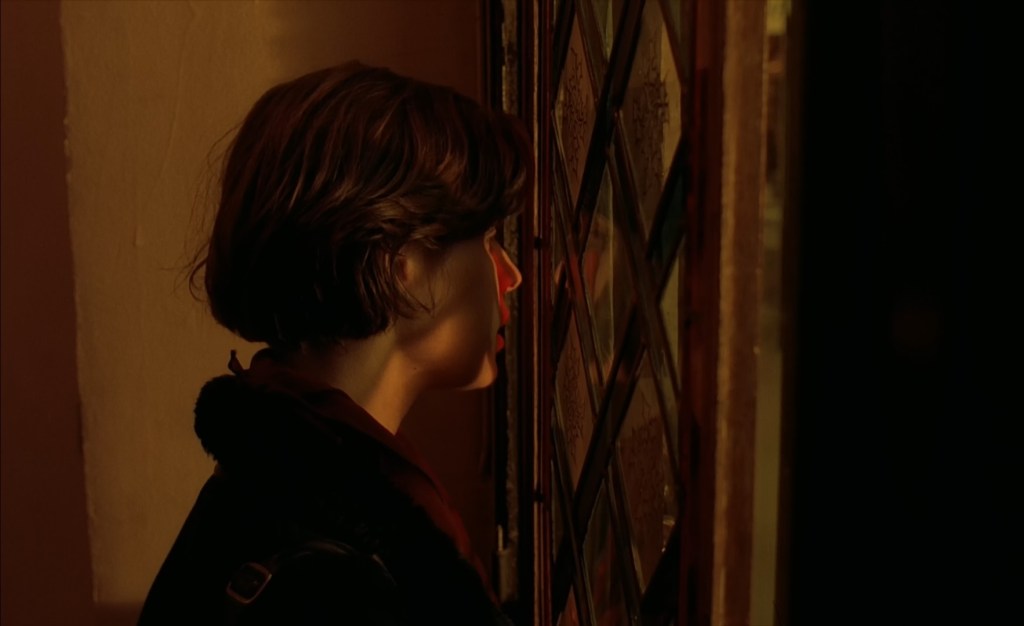
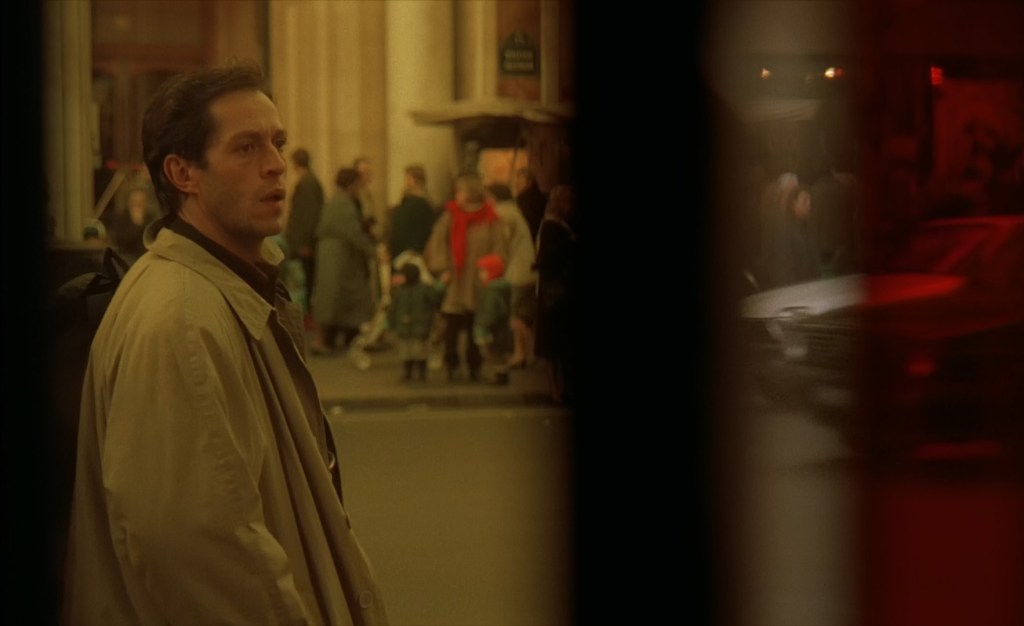
“The spectator thus conceptualised is not only disembodied, but exists mostly for the benefit of the theory he or she is supposed to exemplify.”—–(Elsaesser & Hagener, 2015, P17)
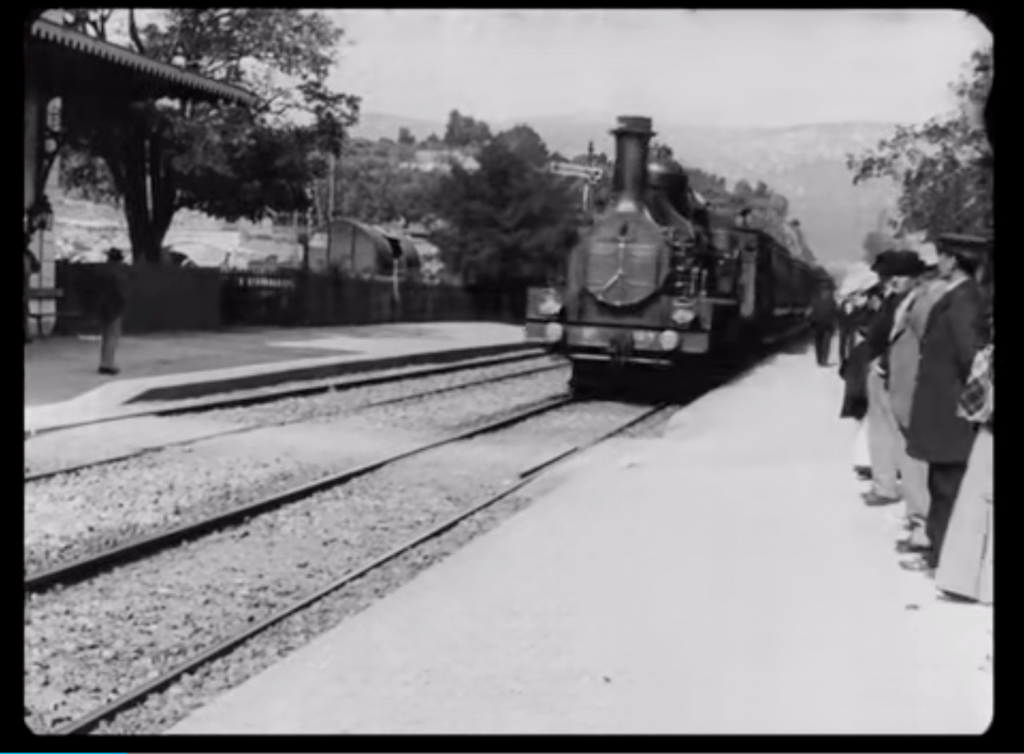
The difficulty lies in the fact that film studies cannot be sustained if researchers do not assume a “conceptualized spectator.” The main purpose of films is for the audience to watch (or to participate). Art history did not gain recognition until the phenomenological theory of Mikel Dufrenn emerged in the 1950s, where the viewer was considered one of the aesthetic objects. The viewer’s aesthetic experience is equally important as the creator’s creative ability. Since the beginning of cinema, the image has been closely related to the audience’s viewing experience. The realistic scene of The Arrival of a Train (1896) scared the viewers, and they fled. Movies cannot be distributed without the audience’s viewing feedback. Therefore, how to make the spectator from a theoretical concept into individuals with different cultures and perceptions will be the academic subject that I will constantly pursue.
 shuqin Yan
Leave a comment